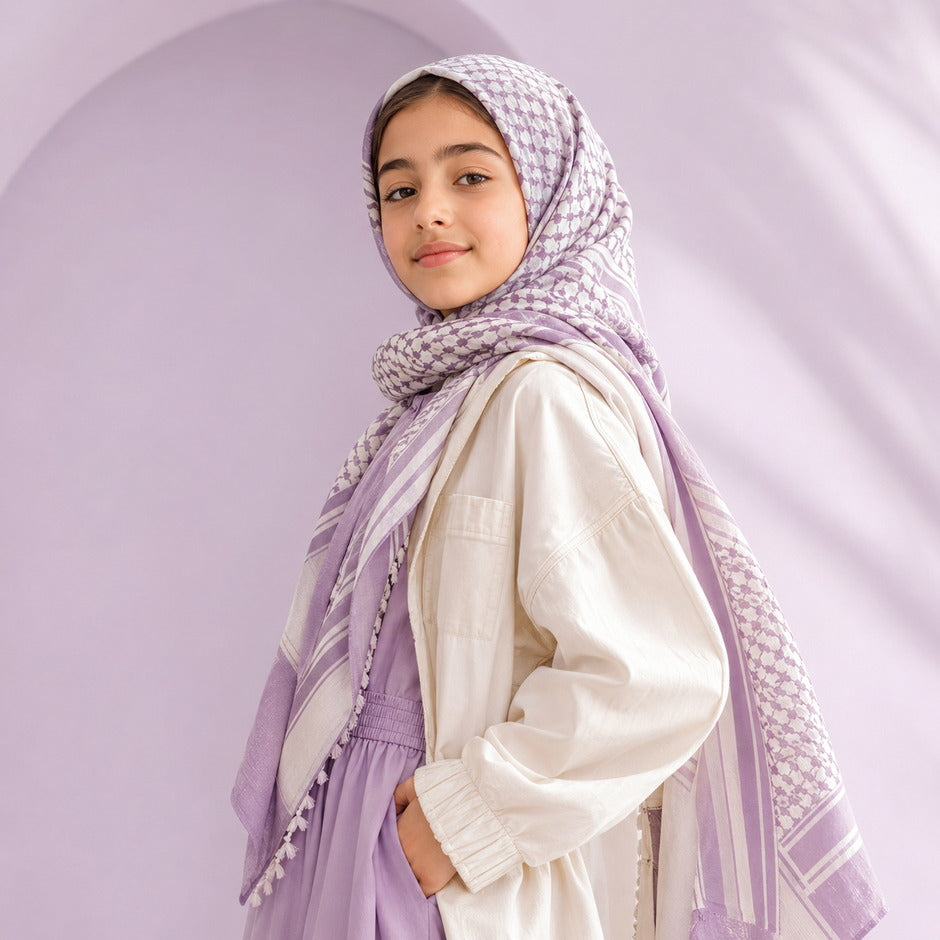
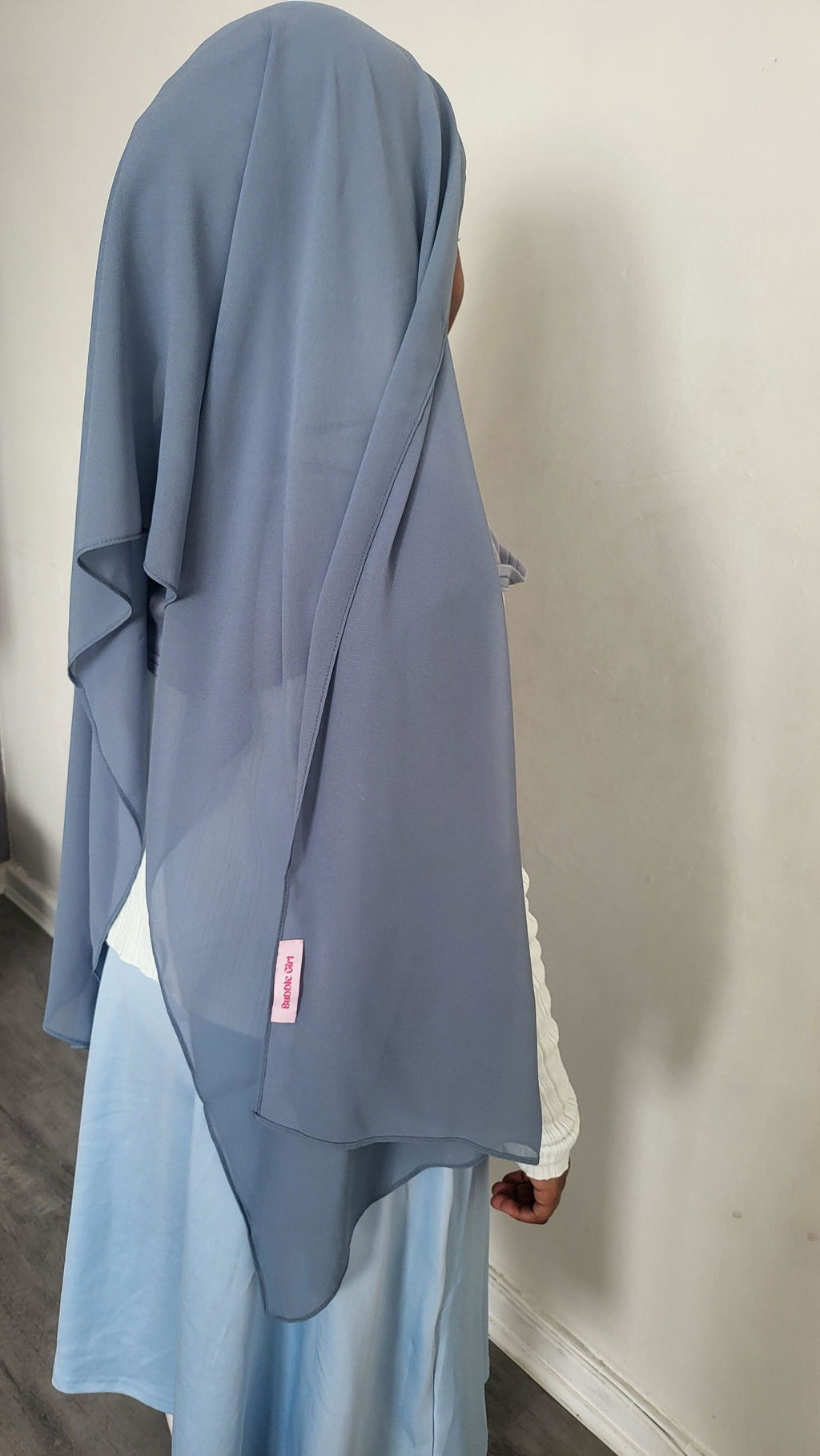
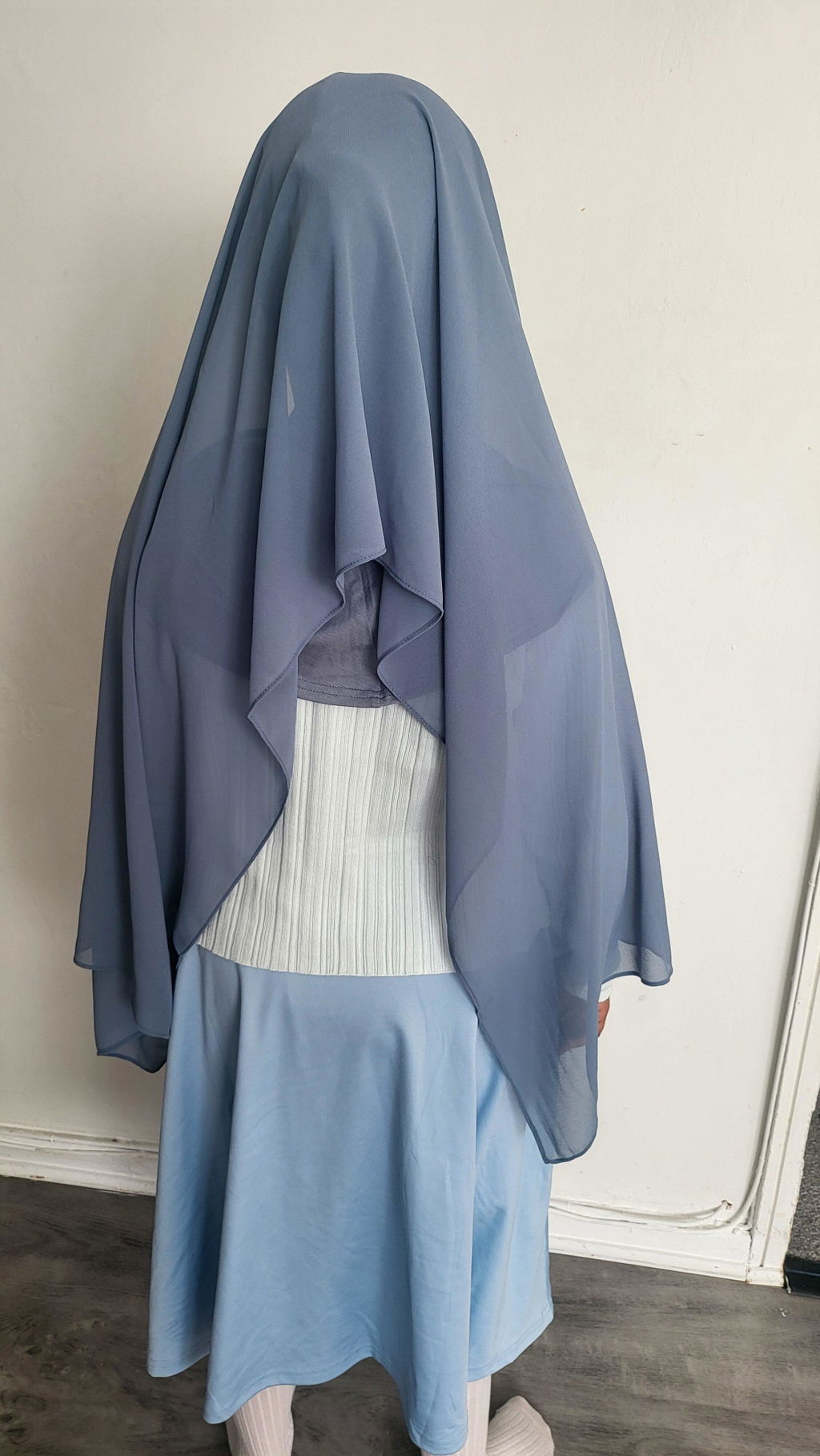
Now in stock Embrace Style and Purpose with Bubble Girl's Special Edition Lilac Keffiyeh. A portion of the profits from each sale goes to charity. Children Not Numbers is one of the charities we work with. Discover the perfect blend of tradition and modernity...
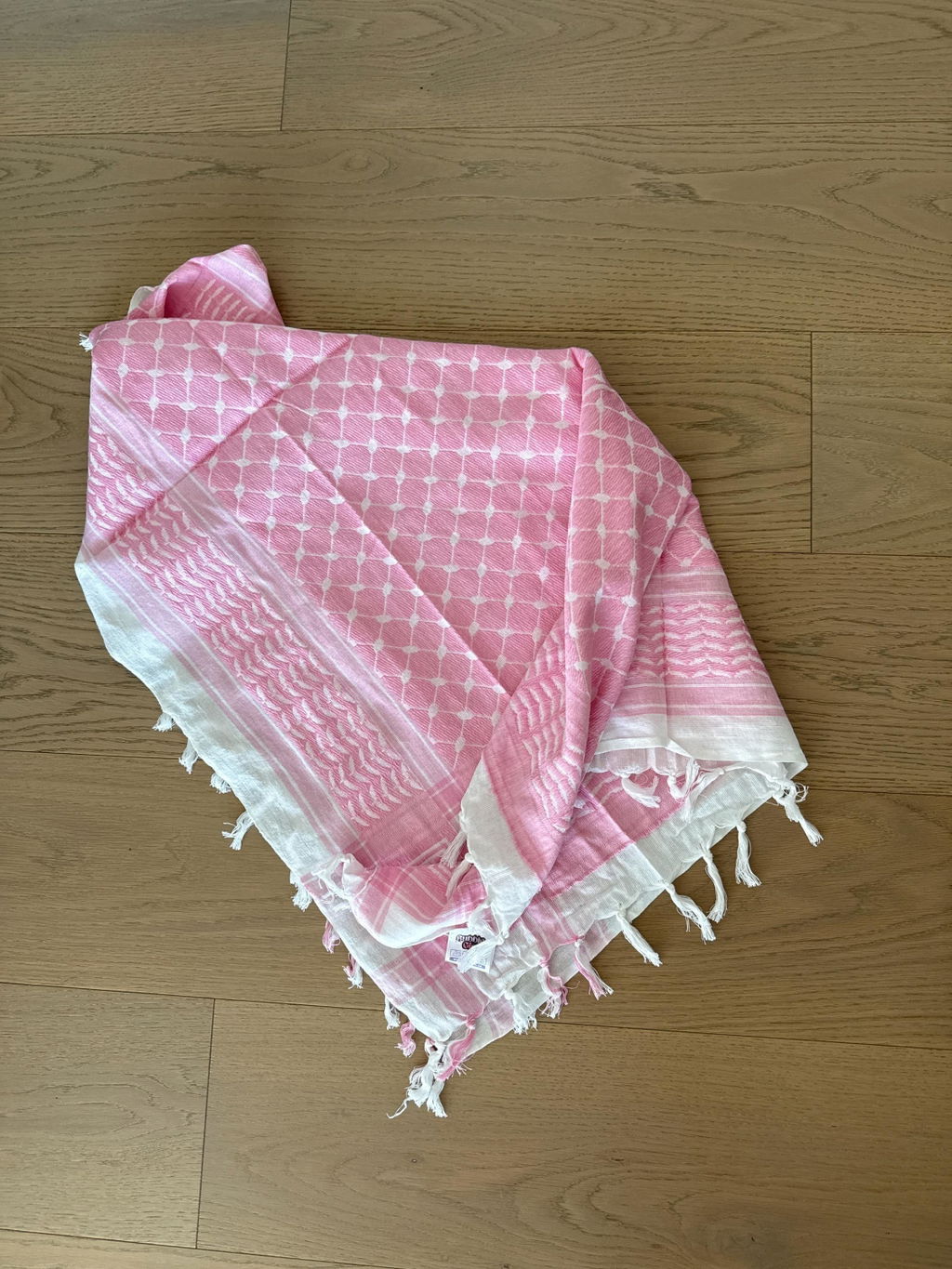
🍉 ONE QALB COLLECTION - a portion of the profits goes to charity, including Children Not Numbers Currently out of stock - Suitable for girls and women. New and updated our One Qalb Pink Keffiyeh - designed in-house by Bubble Girl featuring unique "Al-Quds"...
A plain white instant hijab for girls, designed to go on in one movement with no pins. It pulls on over the head as a single piece with a built-in undercap, so there is nothing to wrap, tuck or fasten. Coverage comes from the...
A Young Girl's Guide to Wearing Hijab for the First Time
Wearing hijab for the first time can feel exciting, important, unfamiliar or, very honestly, all three before breakfast. A good first plan is simple: understand what it means in your family and faith, choose a hijab that fits without hurting, practise before a full day, and know who can help at home and at school.
This guide is for girls who are thinking about starting, preparing for their first school day in hijab, or trying to solve a comfort problem. It also includes a clearly labelled section for parents.
Written by: Atif Tanvir, Co-founder of Bubble Girl
First published: 6 September 2023
Last updated: 7 September 2026
A short practice and fit check can make the first school morning feel more manageable.
A note for you
You are allowed to feel excited and nervous in the same five minutes. You might know exactly how you feel, or you might still be working it out. You do not have to arrive with perfect confidence and a colour-coded plan before asking questions.
Talk with a parent, carer or another trusted adult, and ask for help with anything that feels confusing, uncomfortable or unsafe.
Good news: your first hijab does not need perfect folds, twelve steps or a stressful morning. It needs to fit your day, stay comfortable and give you space to discover what works for you. Tiny wins count here.
What does hijab mean?
In everyday conversation in the UK, "hijab" often means the headscarf worn by many Muslim women and girls. In Islamic teaching, hijab is also discussed as part of wider modesty in clothing and conduct. Muslim families and scholars may explain the details in different ways.
The Qur'an addresses modest conduct for believing men and women in Surah An-Nur 24:30–31, and speaks about women's covering in 24:31 and Surah Al-Ahzab 33:59. Understanding how these verses apply is a religious question, so this guide does not replace a parent, teacher of Islamic knowledge or qualified scholar.
For some girls, beginning to wear hijab is mainly described as an act of worship. A girl may also connect it with her Muslim identity, family and community. She may feel positive, nervous, thoughtful or unsure. No page should promise that every girl will feel the same way.
Thinking about whether you feel ready
Feeling ready is not a test you pass, and there is no prize for pretending you have no questions. It is a chance to notice what you are thinking and work out what support you need.
Ask yourself:
What have I been taught about hijab, and what do I still want to understand?
Am I thinking about school, weekends, mosque, family outings or all of these?
What am I looking forward to?
What am I worried about?
Who can I speak to about the religious side?
Who can help me with fit, comfort and school arrangements?
Would practising at home help me learn what feels comfortable?
You can write your answers down, talk them through or start with the one question that feels most important. The aim is not to produce the "right" feeling. It is to make sure you are not carrying questions alone.
Is there one age when every girl starts wearing hijab?
There is no single birthday or school year when every Muslim girl has exactly the same experience. Some families introduce hijab through prayer, mosque or occasional practice when a girl is younger. Religious responsibility is commonly discussed in relation to puberty.
If you are unsure what applies to you, speak with your parent or carer and a trusted, qualified scholar who can explain your family's questions carefully.
Talking to a parent or trusted adult
Choose a calm moment when neither of you is rushing. The kitchen table usually works better than two minutes before the school run. You could begin with:
"I have been thinking about wearing hijab. I would like to talk about what it means, what I need for school and what I am worried about."
Or:
"I am not sure if I feel ready yet, but I have questions. Can we talk without deciding everything today?"
If a parent is not available or the conversation feels difficult, think about another safe adult who knows you well, such as a carer, older relative, trusted family friend or teacher. Religious advice should come from someone appropriately qualified, not from social media comments or a shopping tool.
Choosing a comfortable first hijab
A comfortable first hijab should suit the day you are planning, fit without pain, provide the coverage you and your family are seeking, and be manageable at your current level of practice. The best first hijab is not the one that looks impressive for eight seconds in the mirror and starts arguing with your ears by maths. It is the one that works for your actual day.
Start with six questions:
Where will I wear it most?
How much will I move?
Do I prefer soft stretch, a light flowy feel or as few layers as possible?
Do I want to pull it on or wrap it?
Do I need a school colour?
Can I put it on and adjust it without turning the morning into a mini emergency?
Age labels can be a useful starting point, but measurements and a real fit check are more reliable.
Comfort, school colour and the girl's own feedback are useful starting points.
Hijab types explained
Hijab names can sound more complicated than they are. "Pull-on" describes how a hijab is put on. "One-piece" and "two-piece" describe how it is constructed. A pull-on hijab can therefore be one piece or two pieces. No scarf engineering degree required.
How the main hijab types compare
Type
What it is
Often useful for
Points to check
Pull-on or instant
A pre-shaped hijab that goes over the head without wrapping a long scarf.
Quick mornings, learning independence and school.
Face opening, neck coverage, length and whether it stays secure during movement.
One-piece
One connected garment, often a pull-on style.
The fewest steps and fewer separate items to remember.
The opening must fit because there may be less adjustment than a wrapped scarf.
Two-piece
A separate under layer or cap plus an outer piece. Some two-piece sets are pull-on.
Girls who want a secure base or a different outer drape.
Two layers may feel warmer or add pressure if either piece is tight.
Jersey
A soft, stretchy knit used for pull-on hijabs and rectangular scarves.
Everyday wear, grip and easy movement.
Fabric weight, stretch, face opening and whether an undercap is actually needed.
Chiffon
A light, woven, usually low stretch fabric with a flowing look.
Lower activity days or girls who prefer a lighter outer layer.
It can move or slip and may need an under layer or permitted fastener. Check for snags.
Sports hijab
A close, secure style made for movement, usually pull-on and pin free.
PE, training, running and active play.
Correct size, no loose ends, no dangerous fasteners and the rules of the activity.
Scroll the table sideways on a small screen to see every column.
No fabric name guarantees comfort. Construction, weight, seams, layers, weather and fit all matter.
Use a soft measuring tape and ask an adult to help. Keep the tape level and snug, not tight. Compare your measurements with the size chart for the exact style because brands may measure garments differently.
1. Head circumference
Measure around the widest part of the head, across the middle of the forehead, above the ears and around the back. Do not pull the tape tight.
2. Face opening
Start at the centre of the hairline. Follow the tape down one side of the face, under the chin, up the other side and back to the starting point. This creates a loop around the face. Use the product's own diagram if its method is different.
3. Coverage length
If a size chart lists front or back length, follow that brand's diagram because the starting point can vary. Decide how far you want the front and back to reach, then compare the finished garment measurement.
The five minute fit check
Put on the hijab with the hairstyle, glasses, top and coat you would normally wear. A hijab that feels fine on its own still has to meet the rest of Team School Day. Then:
speak and smile;
turn your head left and right;
look up and down;
lift both arms;
walk quickly and do a few gentle jumps;
check the front, sides and back in a mirror.
The hijab should not pull your ears, press the arms of your glasses into your head, dig into your jaw, make breathing feel restricted or cause pain. If it stays comfortable through the coat, glasses and gentle-jump test, that is a lovely little win. If it hurts, the answer is not to "get used to it". Change the size, construction or way it is being worn.
Practising before your first full day
Give your hijab a small rehearsal before its starring role on Monday morning. A full school day should not be the first time you test a new style.
Try this simple practice plan:
Wear it at home for 20 to 30 minutes.
Put on your glasses, coat, backpack and any hearing or sensory equipment you use.
Eat, speak, look down to read and move around.
Practise taking it off and putting it on again if that is appropriate for your setting.
Test the PE option separately with more movement.
Ask: what stayed comfortable, what moved, and what needs changing?
Change one thing at a time. If it slips, first check size and construction rather than adding several tight layers and hoping the problem gets too confused to continue.
First day checklist
Ready, set, first day. A little preparation the night before means fewer mysteries in the morning, including the classic "where did I put the one navy hijab?" mystery.
Prepare the evening before and keep the plan simple.
The evening before
Check the school's permitted hijab colour and style.
Choose the simplest comfortable option you have practised.
Follow the care label and make sure it is clean and dry.
Set out the full uniform, glasses, coat and backpack.
Pack a spare hijab if you have one and if carrying it is practical.
Pack only fasteners the school permits. Do not use sharp pins for PE.
Confirm the PE plan.
Choose the trusted adult you will speak to if you need help.
In the morning
Check that the face opening feels secure but not tight.
Turn your head and lift your arms.
Check your neck and the front, side and back coverage you are aiming for.
Put on your glasses and coat for a final pressure check.
Take a water bottle where school rules allow.
Leave enough time so one adjustment does not become a panic.
In your bag: boring but brilliant
A simple spare hijab or under layer if needed.
A small clean pouch for it.
A permitted magnet or fastener if your style uses one.
The name of the adult you can ask for help.
Wearing hijab at a UK school
Every school has its own uniform and PE policy, so check the current policy on the school website before the first day. Ask about permitted colours, whether a school supplied version is required, safe PE styles and who should help if a practical problem arises. A short conversation now can save a much less fun conversation at 8.25 on Monday morning.
In England, Department for Education guidance updated on 6 July 2026 says school uniform policies must consider equality and human rights duties, including religion or belief. It says schools should be sensitive to cultural and religious needs and act reasonably through consultation and dialogue, while genuine safety requirements can be considered. Guidance and complaints routes differ across England, Scotland, Wales and Northern Ireland, so this guide is practical information, not legal advice.
Useful questions for school
Which hijab colours and styles are permitted with the uniform?
Is there a different requirement for PE, science, design technology or food lessons?
Are magnets or pins allowed in ordinary lessons?
Who should my daughter speak to if the hijab slips or feels uncomfortable?
Is there a private place she can use briefly if she needs to adjust it?
Who handles faith based bullying or unwanted touching of religious clothing?
Where can we find the uniform, behaviour, anti-bullying and complaints policies?
Once the school has confirmed its colours, our school hijabs cover the plain colours most UK uniform policies specify.
School conversation template
Subject: Practical arrangements for [name] wearing hijab
Hello [teacher or pastoral lead],
[Name] plans to begin wearing hijab from [date]. We would be grateful if you could confirm the permitted uniform colours and styles, the requirements for PE and practical lessons, and the member of staff she should speak to if she needs help.
Please also let us know whether she can use a private space briefly if she needs to adjust her hijab, and how the school would like us to report any unwanted comments, touching or pulling.
We are happy to work with the school on a safe and practical arrangement.
Kind regards, [Parent or carer]
PE, sport and physical activity
Hijab and PE can absolutely be on the same team. The practical priority is a style that is secure, comfortable, suited to the activity and free from dangerous items.
For PE, use a secure style suited to the activity and check the school's safety rules.
For PE:
choose a close pull-on or sports construction;
avoid sharp pins and loose ends;
make sure you can turn your head and breathe freely;
test it while running, bending and raising your arms;
check the school's PE kit policy and the rules of the sport;
keep a separate clean sports hijab if that is practical;
stop and tell an adult if you feel pain, faint, dizzy, very hot or short of breath.
Rules can differ by activity. For example, football's Laws of the Game require equipment not to be dangerous and permit non-dangerous headgear. The teacher, coach or governing body still decides whether the particular item is safe for the session. A secure sports hijab can help here.
You should not be asked to sit out simply because nobody planned the kit conversation. Raise it before the lesson so the school and family can agree a safe option.
Friends, questions and unwanted comments
Friends may be curious when they see a change. You can answer, keep your answer short or say you do not want to discuss it. You do not suddenly become the school's one-person question desk.
You can answer a friend's question, keep your answer short or say you do not want to discuss it.
Short answers you can use
"Why are you wearing it?"
"It is part of my Muslim faith and I have started wearing it."
"Do you have to wear it?"
"That is personal, and I talk about the religious side with my family."
"What does your hair look like?"
"I keep that private."
"Can I touch it?"
"Please ask first. I do not want anyone touching or pulling it."
"Are you hot?"
"I am learning which fabrics and styles feel comfortable."
If you do not want to answer:
"I do not want to talk about it right now. Let's get back to what we were doing."
Pulling a hijab, trying to remove it, repeated name calling, threats, exclusion or online abuse are not questions you have to manage alone.
If it happens:
Move towards a safe place or trusted adult.
Say "Stop. Do not touch my hijab" if it feels safe to do so.
Tell a parent, teacher, form tutor, head of year or pastoral lead.
Write down what happened, when, where and who saw it.
Keep screenshots or messages if it happened online. Do not reply to abusive posts.
Ask what the school will do next and when it will update you.
If it continues, follow the school's complaints policy with a parent or carer.
Childline advises young people to tell a trusted adult and keep evidence of bullying. Some forms of harassment, threats, violence and hate crime may also be illegal. Call 999 if anyone is in immediate danger.
Comfort troubleshooting
Something not feeling right? Let's fix it. This is the Bubble Girl comfort check, because a headache is not a personality trait and a slipping hijab is a fit problem, not a personal failure.
Pain is not a required part of wearing hijab. If something hurts or makes you feel unwell, stop, tell an adult and change the setup.
A good fit should stay in place without pressing the jaw, ears or glasses.
Common comfort problems and what to try
Problem
What to check first
A practical change to try
When to get help
Feeling hot
Fabric weight, number of layers, weather and activity.
Try fewer layers or a lighter construction, move to shade, drink water and take a break.
Tell an adult if you have headache, dizziness, sickness, heavy sweating, weakness or feel very thirsty. Follow NHS heat advice.
Headache or scalp pressure
Tight undercap, tight hair, small face opening, heavy wrap or pressure from glasses.
Remove or loosen the item in an appropriate private place, let hair sit more gently and try a different size or construction.
Speak to a parent and seek NHS advice if headaches are recurrent, worsening or come with concerning symptoms. Do not assume every headache is caused by hijab.
Slipping backwards
Opening too large, very smooth fabric, too many moving layers or the wrong construction for the activity.
Recheck size, try a grippier jersey or pull-on construction, and use only a comfortable under layer or permitted fastener if needed.
Ask an adult or product adviser to check the fit if repeated adjustments are affecting school or safety.
Pressure around glasses or ears
Undercap seam, small opening or fabric pressing the glasses arms.
Test glasses in their normal position, try the arms over or under the layer, and reject any setup that presses or hurts.
Tell an adult if pain continues. An optician can help if the glasses themselves do not fit comfortably.
Itching or sensory discomfort
Tags, rough seams, fabric texture, heat, sound change or too many layers.
Try a short home test with flat seams, fewer layers and a different fabric feel. Remove labels only if it is safe and does not damage the garment.
Tell a parent, carer or school if sensory needs affect the uniform. Ask about an appropriate adjustment.
Neck or side coverage moves
Garment length, opening, shoulder movement and outer clothing.
Check the fit while turning and raising your arms. Try a longer or more secure construction rather than pulling one part painfully tight.
Ask a trusted religious adviser about the coverage you are seeking. The fit tool cannot certify religious requirements.
Washing and caring for a hijab
Always follow the care label for the exact garment. Fabric names alone are not enough because blends, trims and construction differ. Future-you, standing by the wardrobe on Monday morning, will be very grateful.
Before washing
Separate light and dark colours.
Remove detachable magnets, pins and accessories.
Check for marks and snags.
Place delicate items in a mesh laundry bag if the care label allows machine washing.
Washing and drying
Use the temperature and cycle shown on the care label.
Use a gentle detergent if that is suitable for the garment and the wearer's skin.
Do not assume every hijab can go in a tumble dryer.
Reshape it gently and air dry if the label instructs this.
Keep chiffon and other snag prone fabrics away from rough zips and hooks.
Getting ready for the week
Store clean hijabs where they will not be crushed or caught.
Keep the school and sports hijabs easy to find.
Check the face opening and seams for damage.
Prepare a spare before the main hijab is in the wash.
For parents: supporting without pressure
Parent section
Your daughter may be clear, uncertain or change what she wants to discuss from one day to the next. That is not inconsistency. It is a young person thinking through something important. Support begins with listening before solving.
Helpful ways to support
Ask what she understands and what she wants explained.
Separate the religious conversation from the shopping conversation.
Use a qualified person for religious guidance and age appropriate language.
Let her give honest feedback about heat, texture, fit, school and friends.
Prepare the school before the first day rather than asking her to negotiate every detail alone.
Practise without photographing or sharing the moment unless she genuinely wants that and you have considered her privacy.
Treat discomfort as useful information, not a lack of commitment.
Keep the first wardrobe small until you know which construction works.
Praise clear communication and problem solving rather than appearance alone.
If she reports bullying, believe her, record the details and follow the school process.
What to avoid
Do not use threats, shame or comparisons with sisters, cousins or classmates.
Do not promise that hijab will automatically create confidence, prevent unwanted attention or make school easy.
Do not make purchases or social media content the centre of the decision.
Do not tell her she must answer every question from other people.
Do not ignore pain, headaches, breathing difficulty or sensory distress.
Do not present one family's experience as the experience of all Muslim girls.
A useful weekly check in
Ask three questions:
What felt comfortable this week?
What practical problem should we change?
Is there anything you want me to discuss with the school or a religious adviser?
Make one practical change at a time. This helps you learn whether the issue is size, fabric, layers, activity or school arrangements. It also prevents the entire hijab drawer being blamed when one undercap was the actual troublemaker.
You have questions. We have a calm answer, a practical next step and, where needed, a reminder to ask a trusted grown-up. That is a much better plan than guessing.
What is a good first hijab for a young girl?
A good first hijab is one that fits without pain, suits the activity and is simple enough for the girl to manage. Many beginners find a one-piece or pull-on jersey style practical, while a secure sports style is more suitable for PE. Measurements and a fit test matter more than choosing by age alone.
Is there a set age to start wearing hijab?
There is no single birthday or school year used by every Muslim family. Religious responsibility is commonly discussed in relation to puberty, while some girls practise earlier. Ask a parent and qualified religious adviser for guidance that applies to your circumstances.
Can I start by practising at home?
Practising at home is useful for learning how a style fits, moves and feels. Whether and how gradual practice fits your religious understanding is a separate question for your parent and a qualified adviser.
Can I wear hijab at a UK school?
Schools set their own uniform policies. Check the published policy and speak with the school about colour, PE, practical lessons and adjustments. In Great Britain, religion or belief is protected under equality law, while genuine safety requirements may still be considered. The exact rules and complaints routes differ across UK nations, so seek appropriate advice if a disagreement cannot be resolved.
What should I wear for PE?
Choose a close, secure, activity appropriate hijab with no sharp pins or loose ends. Test it while moving and check the school's PE policy and the rules of the sport before the lesson.
What if my hijab gives me a headache?
Take pain seriously. In an appropriate private place, remove or loosen tight layers and check the undercap, hairstyle, face opening and glasses. Tell an adult. Seek NHS advice for recurrent or worsening headaches or any worrying symptoms.
How do I stop my hijab slipping?
Check the size and face opening first. A grippier fabric, a pull-on construction or a comfortable securing layer may help. Avoid fixing slipping by making every layer tighter.
Do I have to answer questions from friends?
No. You can give a short answer, change the subject or say you do not want to discuss it. Tell an adult if questions become repeated comments, touching, pulling, threats or bullying.
Can I wear glasses with hijab?
Yes. Test the glasses with the complete setup and choose the position that does not press the arms into your ears or head. A different face opening, under layer or construction may be more comfortable.
How often should I wash my hijab?
Wash it when it needs cleaning and always follow the garment's care label. A separate sports hijab may need washing more often because of activity. Prepare a spare so you do not have to wear one before it is clean and fully dry.
A realistic first week
Your first week is not a test, and it definitely does not have to be perfect. A small change that makes Tuesday easier than Monday is a win. A hijab that works brilliantly in maths but needs a rethink for PE is useful information. So is discovering that the lovely floaty one and a windy playground are not best friends.
Prepare what you can, keep your support people close and be honest about comfort. Ask for help, change what is not working and notice the little moments when things begin to feel easier. Confidence can grow through understanding and practical experience, but you are still allowed to have a difficult day.
You do not need to do this perfectly. You only need a plan, people you trust and permission to keep learning what works for you. You have got this, one comfortable day at a time.
Guides like this one, by email
When we publish the next guide we will send it to you, along with 10% off a first order.
Use the newsletter box at the foot of this page to sign up.
About Bubble Girl
Bubble Girl is a UK based modest fashion and lifestyle brand for Muslim girls aged 3 to 16. It creates age appropriate hijabs and modest clothing and publishes practical resources for girls and their families. Read more about Bubble Girl and its founders.
Sources
This guide uses the Qur'an as the primary source for its brief description of Islamic modesty. Practical UK school, bullying, health and sport guidance was checked against the sources below on 21 July 2026:
The Qur'an, Surah An-Nur 24:30–31 and Surah Al-Ahzab 33:59.
Department for Education, "Developing school uniform policy", updated 6 July 2026, applies to England.
Equality and Human Rights Commission, guidance on religion or belief and school appearance policies.
GOV.UK, "Bullying at school".
Childline, "Faith and religious bullying" and "Bullying and cyberbullying".
NHS, "Headaches" and "Heat exhaustion and heatstroke".
International Football Association Board, Law 4, "The Players' Equipment".
Practical planner
Build My First Hijab Plan
This is a practical planner, not a faith quiz or a scarf personality test. Choose where you will wear hijab, how active you will be, which fabric sensations you prefer, whether you want a pull-on style, the colour you need and the problem that worries you most.
This tool suggests practical preparation, not a religious decision
Your first hijab plan
Type to try first
Practise this
Pack or prepare
Ask before the day
If the planner does not load
For an ordinary school day, start by comparing a well fitting one-piece or pull-on jersey style.
For PE and active sport, compare a close secure sports hijab with no sharp pins or loose ends.
If you dislike layers, test a one-piece construction before adding an undercap.
If you prefer a light flowy outer fabric, test it for slipping and decide whether a comfortable securing method is needed.
If anything hurts, stop and change the size or construction.
Now in stock Embrace Style and Purpose with Bubble Girl's Special Edition Lilac Keffiyeh. A portion of the profits from each sale goes to charity. Children Not Numbers is one of the charities we work with. Discover the perfect blend of tradition and modernity...
🍉 ONE QALB COLLECTION - a portion of the profits goes to charity, including Children Not Numbers Currently out of stock - Suitable for girls and women. New and updated our One Qalb Pink Keffiyeh - designed in-house by Bubble Girl featuring unique "Al-Quds"...
A plain white instant hijab for girls, designed to go on in one movement with no pins. It pulls on over the head as a single piece with a built-in undercap, so there is nothing to wrap, tuck or fasten. Coverage comes from the...
I bought a few hijabs for my daughter and we’re both really happy with them. The quality is excellent, the fabric feels soft and comfortable, and they look beautiful on her. She absolutely loves them! Would definitely recommend.
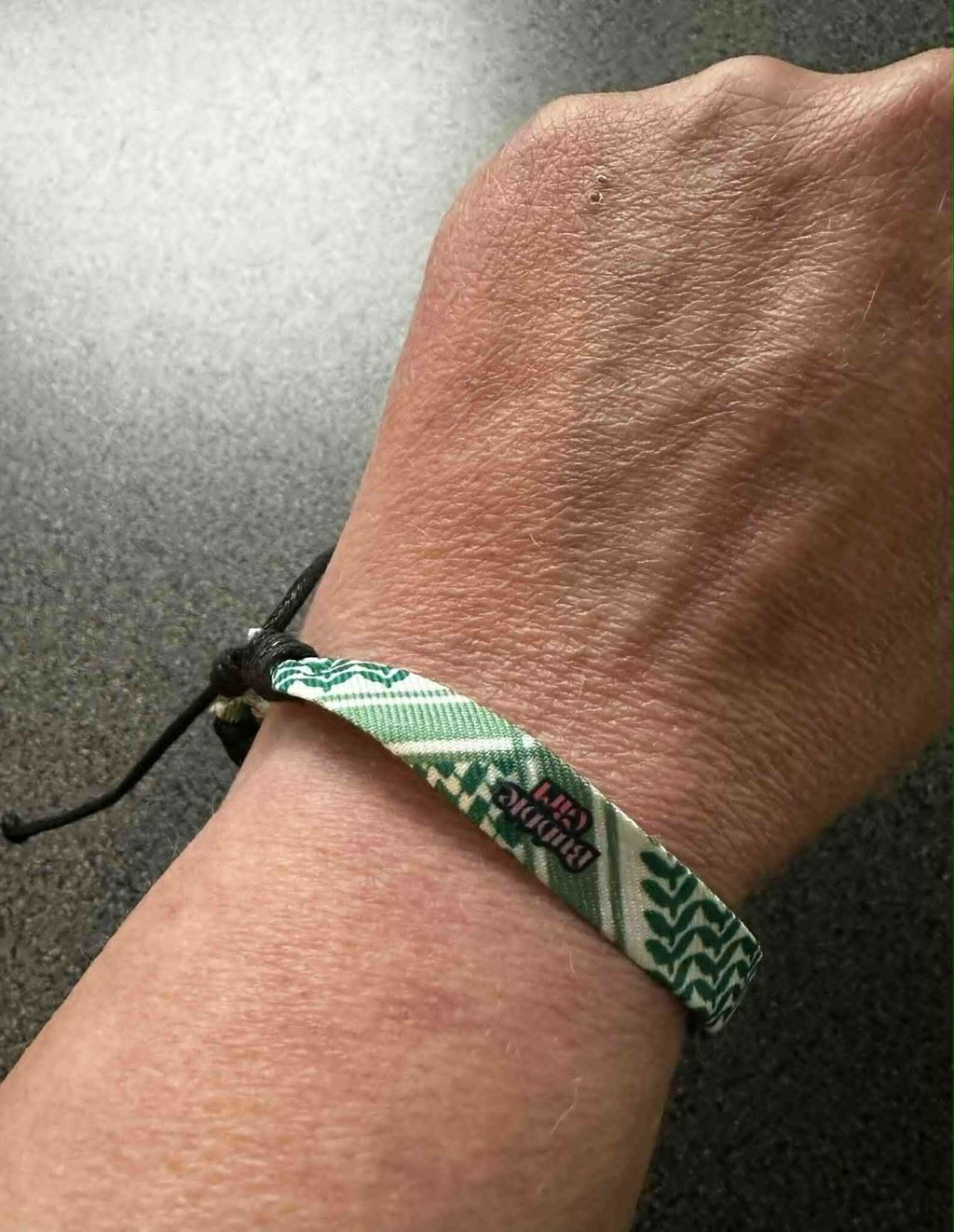
I bought the Green & White Keffiyeh Armband, and I am very happy with it. It is well made, and the perfect size.
Bubble Girl are a pleasure to deal with, and I would not hesitate in buying from them again.
I had an issue with my original order, I got in touch and they sent me a replacement.
I cannot recommend them enough. Thank you
It is so lovely! I really enjoy wearing it and it will be perfect for the cooler season. It’s a beautiful fabric and it pairs so well outfits. I would be happy to purchase again :)
I look forward to showing my love and support with my gorgeous keffiyeh